Germany’s cabinet approved an amended biomass electricity sustainability ordinance on 28 October 2026 and amended its biofuel sustainability ordinance at the same time, according to ad-hoc-news.de’s report. The amendments implement requirements of the EU’s Renewable Energy Directive, known as RED III, in German law, ad-hoc-news.de says.
Wood Energy Association says smaller plants face payment conditions
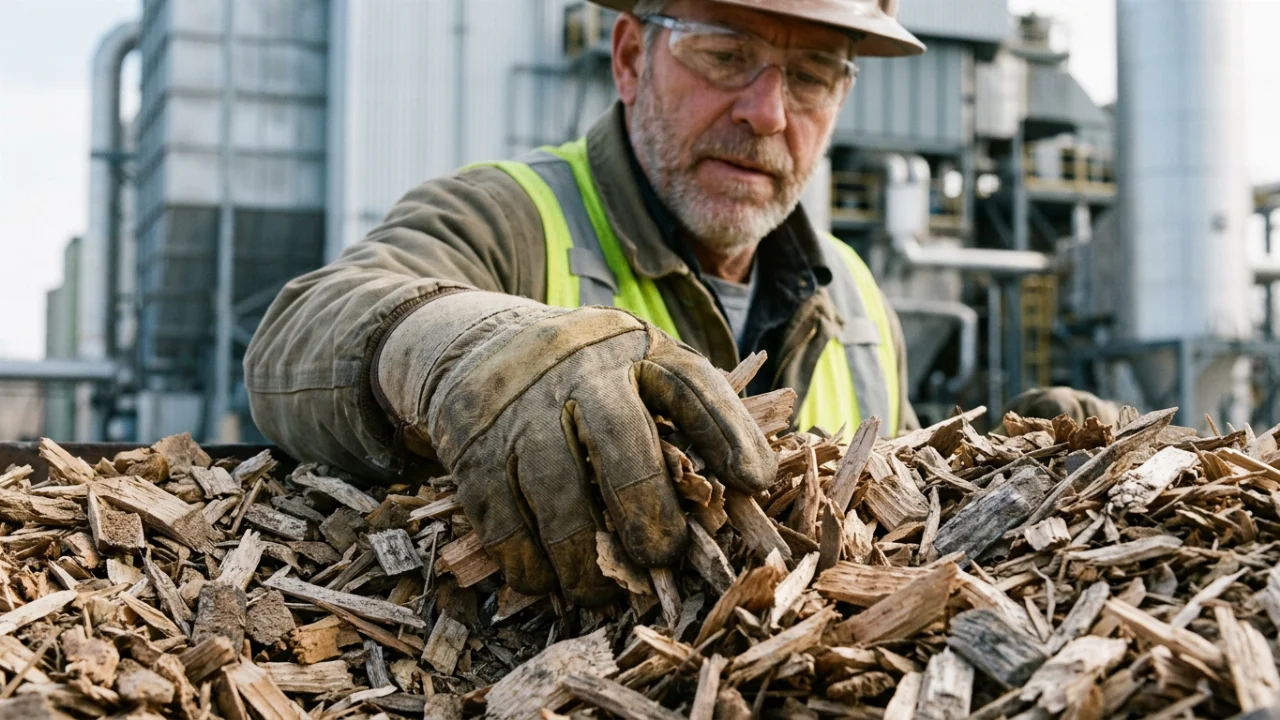
The threshold at which wood-fuel electricity plants must provide sustainability proof to receive payments under Germany’s Renewable Energy Sources Act will fall from 20 MW to 7.5 MW of total rated thermal input, solarserver.de reports. The Wood Energy Association says substantially more biomass plants will need evidence to retain their entitlement to those payments.
Wood-fuel electricity plants must also demonstrate greenhouse-gas reductions of at least 70% or 80%, depending on their commissioning date and size, solarserver.de says. Solarserver.de reports that RED III permits simplified proof systems for plants between 7.5 MW and 20 MW, but Germany has not adopted that option.
ad-hoc-news.de says biofuel declarations face checks
Falsely declared biofuels will be excluded from crediting toward greenhouse-gas quotas, ad-hoc-news.de reports. The Federal Office for Agriculture and Food will gain access to detailed supply-chain information and its own inspection powers, ad-hoc-news.de says. The reform also removes existing protection for reliance on certificates and requires sustainability certificates to be transferred or submitted within three years, ad-hoc-news.de says.
Ad-hoc-news.de links the measures to a scandal that emerged in 2023 involving forged climate-protection certificates from China used toward Germany’s transport-sector quotas. The German Biofuels Industry Association welcomed the cabinet’s action, ad-hoc-news.de says.
In a provision affecting EEG payments, newly affected companies can temporarily continue receiving them if certification is impossible solely because too few certification bodies are available, solarserver.de says. The Federal Office for Agriculture and Food will publish a proof template for that arrangement, solarserver.de says. Plants that received EEG support before 20 November 2023 remain subject to RED II greenhouse-gas requirements and, in most cases, need not submit greenhouse-gas calculations until 31 December 2030, solarserver.de says.
The ordinances do not require Bundesrat approval and take effect the day after publication in the Federal Law Gazette, according to ad-hoc-news.de.