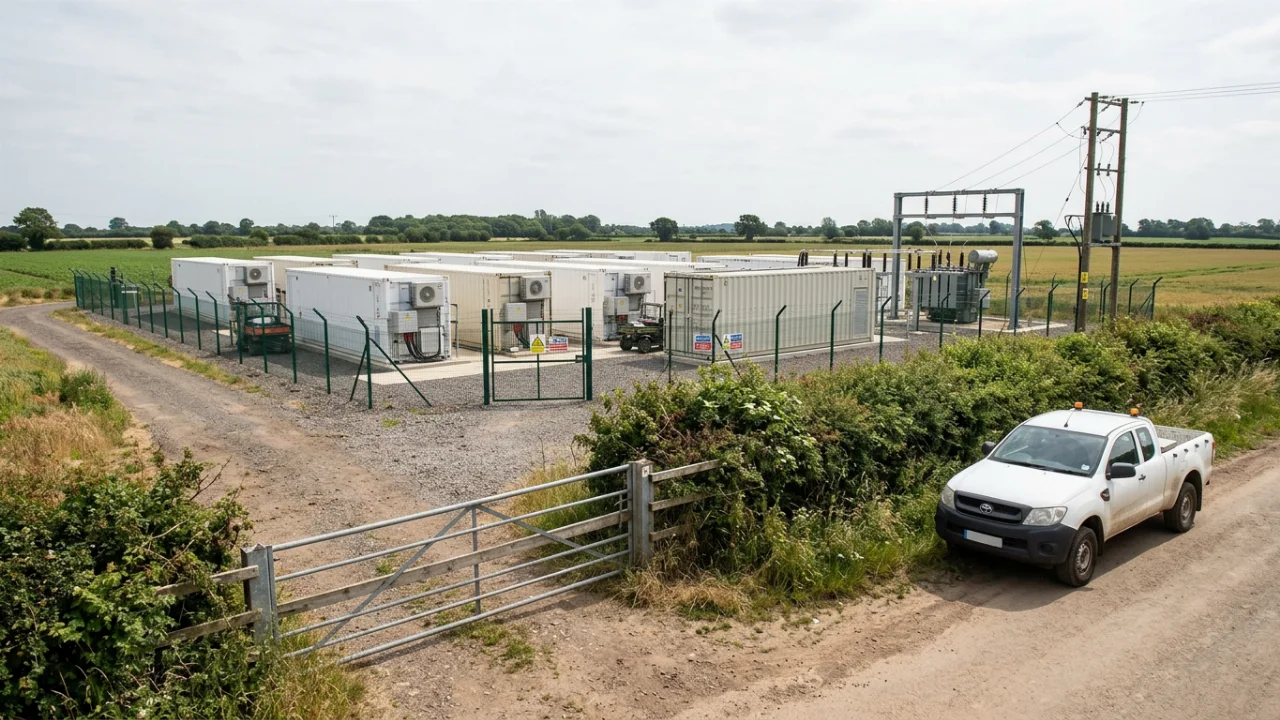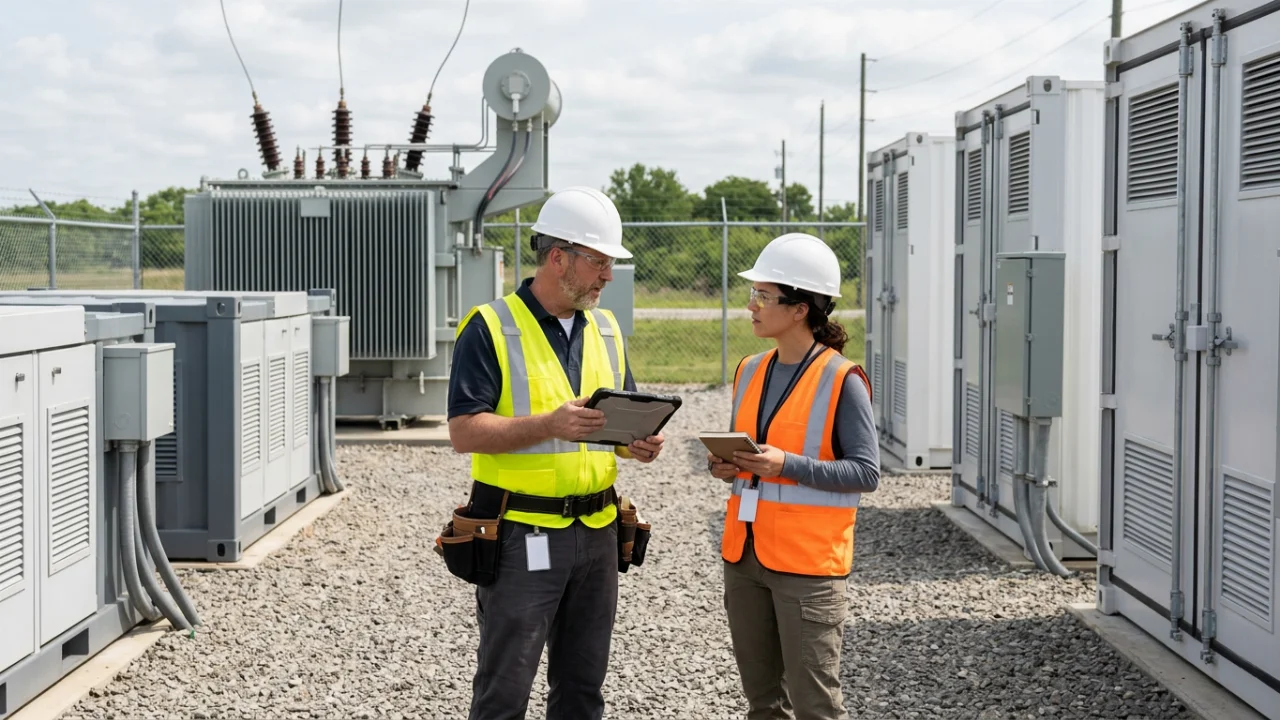
Installed capacity alone will not make Germany’s large-scale batteries dependable system resources, Marie-Sophie Braun, Head of Markets & Regulatory Affairs at Kyon Energy, argued in a pv magazine Deutschland article dated 29 October 2026. Their technical design, integration into grid and system services, and actual availability determine what they can deliver, she wrote.
Braun says batteries cannot serve electricity trading, balancing energy and other system services to their full extent at the same time. The author, Marie-Sophie Braun, writes in pv-magazine.de that operators must continually decide how much battery capacity and power to reserve for market, grid and system tasks. Braun argues that dispatch plans must account for both revenue opportunities and committed system services.
Frequency support through balancing energy or inertia services requires high power and very fast response, according to Braun. She says inverter-based batteries could perform functions associated with conventional generators if their power electronics, controls and protection systems are designed and prequalified for them. Braun writes that providing reactive power for voltage control requires clearly defined communication channels and procedures between battery operators and grid operators.
Braun writes that Section 12h of Germany’s Energy Industry Act envisages predominantly market-based procurement for many system services. For redispatch, she says batteries could offer an alternative to thermal power plants only where their grid location, available power and state of charge are suitable.